← Exercise library
Good Morning
BackIntermediate
3D anatomy atlas — activated muscles
Drag to rotate · scroll to zoom
Loading 3D model…
LowHigh
LightMediumHigh
Biceps femoris (hamstring)· HighSemitendinosus· HighSemimembranosus· HighGluteus maximus· HighErector spinae· High
Bar on the shoulders, hinge forward — hamstrings and lower back.
Target muscle
Biceps femoris (hamstring)SemitendinosusSemimembranosusGluteus maximusErector spinae
Equipment needed
See all equipment →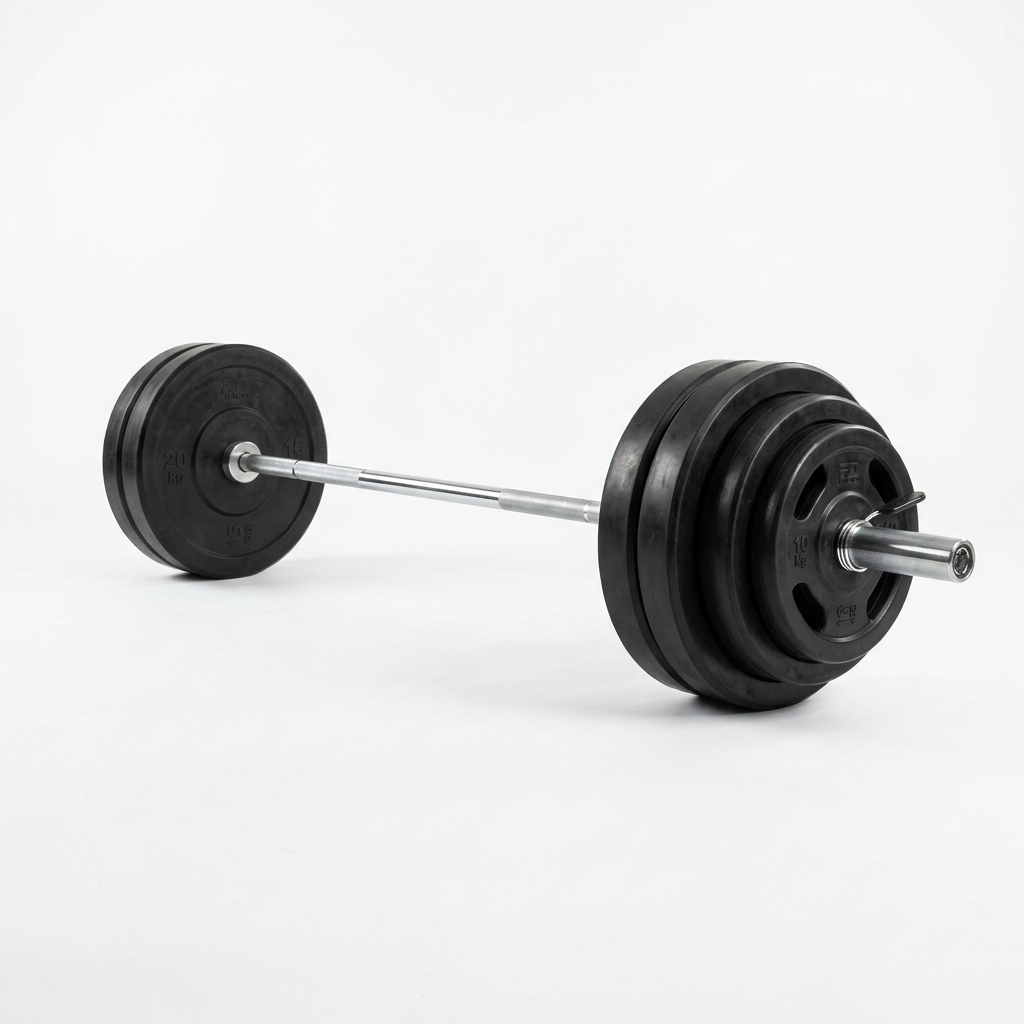
Step-by-step guide
- 1Place the bar on your upper back (as in a squat), stand hip-width, knees slightly bent.
- 2Brace the core and retract the shoulder blades, keeping the back perfectly straight.
- 3Push the hips back and hinge the torso forward, feeling a stretch in the hamstrings.
- 4Hinge until the torso is near parallel (within your mobility), then squeeze the glutes to return upright.
Safety notes
Bản lề từ HÔNG, lưng phẳng tuyệt đối, gối hơi chùng.
Dùng tải nhẹ-vừa, ưu tiên kỹ thuật.
Người đau lưng dưới nên tránh hoặc tập rất nhẹ.
Correct form tips
- This is a HIP hinge, not a back bend — keep the back flat.
- Keep a fixed slight knee bend, don't squat down.
- Start very light to learn the hip-hinge pattern correctly.
Mistakes to avoid (injury risk)
- Rounding the lower back → extremely dangerous for the spine.
- Bending the knees too much → turns into a squat, losing hamstring work.
- Going heavy before mastering the form → high back-injury risk.